
The Beginners Guide to Meditation
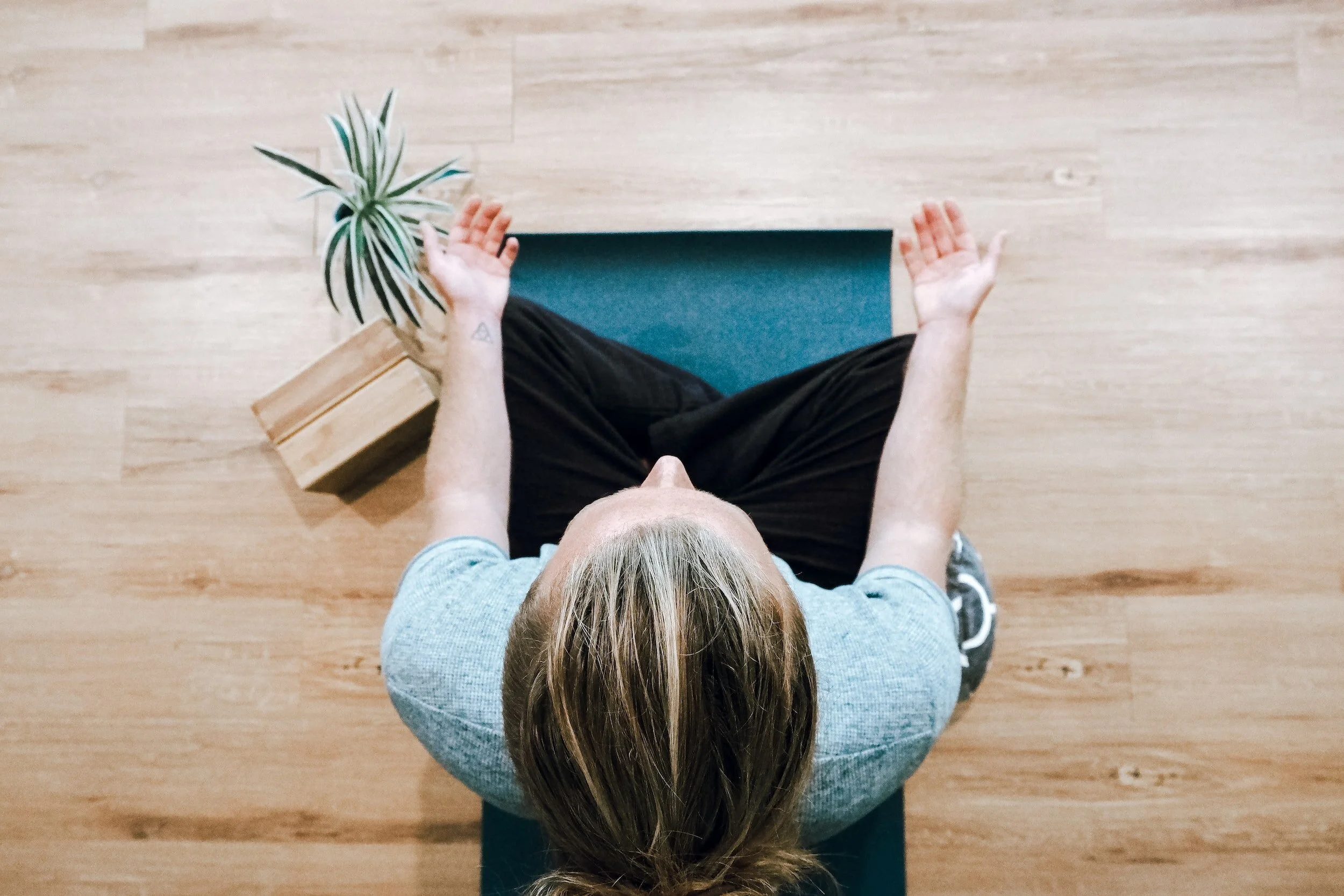
If you've tried meditation before and felt like you were doing it wrong, you're not alone. Most people come to it with a picture in their head of sitting perfectly still, mind completely blank, radiating calm. That's not what meditation is. And that misunderstanding is exactly why so many people quit after a few attempts.
Meditation is a practice, not a performance. Here's what it actually involves, and how to start without overcomplicating it.
What Is Meditation, Really?
At its core, meditation is the practice of paying attention on purpose. That's it. You choose something to focus on, usually your breath, and you keep returning your attention to it whenever your mind wanders. The mind will wander. That's not failure. The returning is the practice.
It's less about achieving a specific mental state and more about building a skill: the ability to notice where your attention is and redirect it deliberately. That skill turns out to be useful far beyond your meditation cushion. It helps with anxiety, performance under pressure, emotional regulation, and the general noise that builds up when you're moving fast through your days.
Rena Trujillo, the Licensed Clinical Social Worker behind Empower Mental Fitness in Long Beach, incorporates mindfulness into her work with athletes and professionals because the benefits transfer directly to performance. When you can observe your thoughts without being controlled by them, everything from competition anxiety to high-stakes workplace decisions gets easier to manage.
Common Myths That Keep Beginners Stuck

"I have to clear my mind"
This is the biggest one. You don't clear your mind in meditation. Your mind is going to produce thoughts constantly because that's what minds do. The goal is not to stop thoughts from appearing. The goal is to notice them, let them pass without getting pulled into them, and bring your attention back to your breath or your chosen focus point.
"I don't have time"
You don't need an hour. You don't even need twenty minutes, especially when you're starting out. Five minutes done consistently is worth more than a forty-five minute session you do once and abandon. Most people find they have five minutes somewhere in their day once they actually look for it.
"I'm too anxious to meditate"
This one is understandable. Sitting still with your thoughts when your mind is already racing can feel counterintuitive. But anxiety is one of the conditions that responds most consistently to regular meditation practice. The discomfort you feel at the beginning is part of the process, not a sign that it's not working for you.
"I tried it once and nothing happened"
Meditation builds over time. The effects of a single session are subtle. The effects of a consistent practice over weeks and months are significant. Think of it the same way you'd think about physical training. One workout doesn't change your body. A year of showing up does.
How to Start: A Simple First Session
You don't need an app, a special cushion, or a quiet room. Here's all you need for your first session:
Find a comfortable position. Sitting in a chair with your feet on the floor works fine. You can also sit cross-legged on the floor or lie down, though lying down makes it easier to fall asleep.
Set a timer for five minutes. Knowing the timer will end removes the urge to keep checking the clock.
Close your eyes or soften your gaze downward. Take a few deeper breaths to settle in.
Bring your attention to your breath. Notice the sensation of air moving in through your nose, the slight pause at the top, the release as you exhale. You're not trying to control the breath, just observe it.
When your mind wanders, and it will, gently bring it back. No frustration needed. Just notice that you wandered and return. That moment of noticing is the practice working exactly as it should.
When the timer goes off, take a moment before jumping up. Notice how you feel.
That's a meditation session. It won't feel dramatic. Over time, you'll find that the skill you're building shows up in the rest of your life in ways that are harder to ignore.
Types of Meditation Worth Knowing About
There's no single right way to meditate. Different approaches work for different people. Here are a few worth exploring:
Breath-Focused Meditation
The most straightforward. Your anchor is the breath. Every time your attention drifts, you bring it back. This is where most beginners start, and many experienced practitioners never move away from it because it's that effective.
Body Scan
You move your attention slowly through different parts of your body, noticing sensations without trying to change them. This is particularly good for people who carry a lot of physical tension alongside their mental stress, which is common in athletes and high-output professionals.
Guided Meditation
A teacher or recording walks you through the session. Apps like Insight Timer offer free guided sessions across a range of lengths and styles. This can be a helpful training wheel for beginners who find unguided silence uncomfortable.
Mantra or Word-Based Meditation
You silently repeat a word or short phrase, using it as your anchor instead of the breath. Words like "calm," "here," or "steady" work well. This approach tends to click for people who find focusing on the breath frustrating or anxiety-producing.
Open Awareness
Rather than anchoring to one thing, you allow your attention to rest on whatever is most prominent in your experience, sounds, sensations, thoughts, without getting caught up in any of it. This is a more advanced practice and is usually easier to access once you have a solid foundation in focused attention.
How Long and How Often Should You Meditate?
When you're starting out, consistency matters more than duration. Five minutes every day is a better goal than thirty minutes three times a week. You're building a habit and a skill simultaneously, and short daily practice does that more effectively than longer infrequent sessions.
A realistic progression might look like this:
Weeks 1 and 2: Five minutes each morning before checking your phone.
Weeks 3 and 4: Extend to eight or ten minutes if it feels sustainable.
Month 2 onward: Work toward fifteen to twenty minutes if you want to go deeper.
Most of the research on meditation's benefits, including reductions in cortisol, improved sleep, and better emotional regulation, shows meaningful effects at around ten to twenty minutes per day practiced consistently over eight weeks. That's not a long commitment relative to what you get back.
What to Do When Your Mind Won't Stop
On some days your mind will be particularly loud. Thoughts keep coming, you keep getting pulled away, and it feels like the session is a failure. It's not. High-traffic sessions are actually some of the most useful because you get more practice at the core skill: noticing you've wandered and coming back.
A few things that help on those days:
Label your thoughts lightly. When a thought comes up, mentally note "thinking" and return to your breath. You're not engaging with the thought, just acknowledging it exists.
Try counting breaths. Inhale counts as one, exhale as two, up to ten, then start over. If you lose count, start again at one. The counting gives a restless mind something concrete to hold onto.
Shorten the session. If ten minutes feels impossible, sit for five. Finishing a shorter session beats abandoning a longer one.
Don't skip the day entirely. Even two minutes of intentional breathing counts. Keeping the streak alive matters more than the length.
How Meditation Fits Into Mental Health
Meditation is a tool, not a treatment. For people dealing with everyday stress, mild anxiety, or the mental fatigue that builds up from performing at a high level, a consistent practice can make a real difference on its own.
For people whose anxiety, depression, or emotional patterns are significantly affecting their daily life, relationships, or performance, meditation works best as a complement to professional support rather than a substitute for it.
Many evidence-based therapeutic approaches, including Mindfulness-Based Stress Reduction (MBSR) and Acceptance and Commitment Therapy (ACT), are built around mindfulness practices precisely because the research behind them is strong. A therapist who incorporates these methods can help you apply the skills you're building in meditation directly to the specific challenges you're working through.
Ready to Go Deeper?
Learning to meditate on your own is absolutely possible. But if you're also carrying anxiety, performance pressure, or stress that feels bigger than a daily practice can address, working with a therapist gives you a more structured path through it.
At Empower Mental Fitness in Long Beach, Rena Trujillo works with athletes, professionals, and young adults who want to build real mental resilience, not just manage symptoms. Her work draws on mindfulness, self-compassion, and a process-based approach that meets you where you actually are.
Sessions are available in person at 1 World Trade Center, 8th Floor, in downtown Long Beach, and via telehealth throughout California.
If you'd like to talk about what's going on and whether therapy might be a good fit, reach out at (818) 583-7269 or visit empowermentalfitness.com to get in touch.
Rena Trujillo is a Licensed Clinical Social Worker (LCSW) based in Long Beach, CA, specializing in anxiety, sports psychology, and mindfulness-based therapy. She earned her MSW from the University of Southern California and has over 10 years of experience in the mental health field.