
Capoeira Therapeutic
Support Group
Move Through Anxiety. Build Real Community. Find Your Rhythm.
If you've been feeling anxious, isolated, or just worn down by the pace of everyday life, you've probably already tried a few things. Maybe you downloaded a meditation app. Maybe you've been meaning to start therapy. Maybe you've just been white-knuckling it through the week and hoping something shifts.
What if healing looked completely different from what you expected?
At Empower Mental Fitness, we're launching something genuinely new in Long Beach: a Capoeira Therapeutic Support Group that combines the ancient power of this Afro-Brazilian art form with the structure of a guided mental health group. It's not a fitness class. It's not traditional group therapy. It's something in between, and it works in ways that neither could alone.
What Is the Capoeira Therapeutic Support Group?
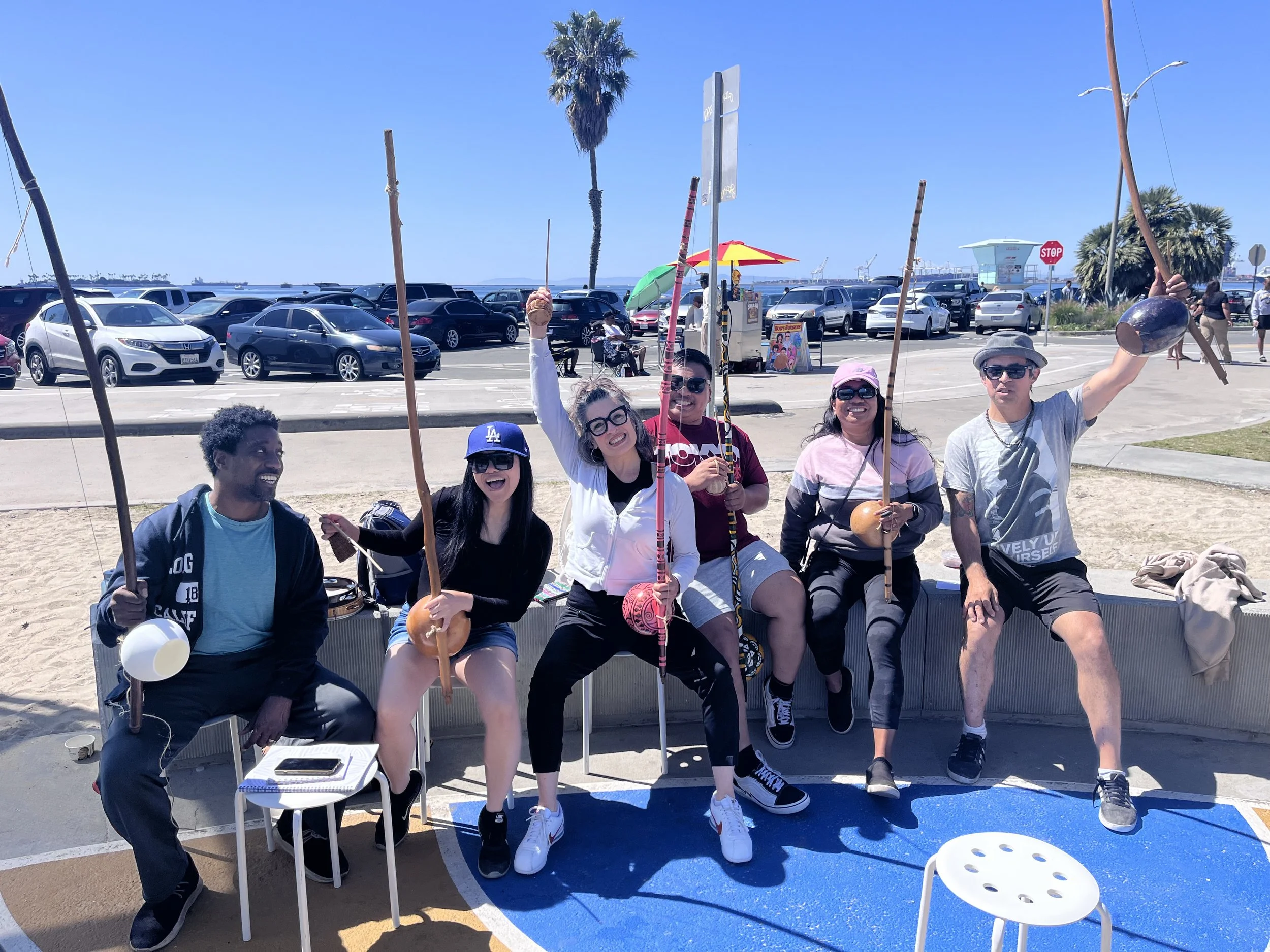
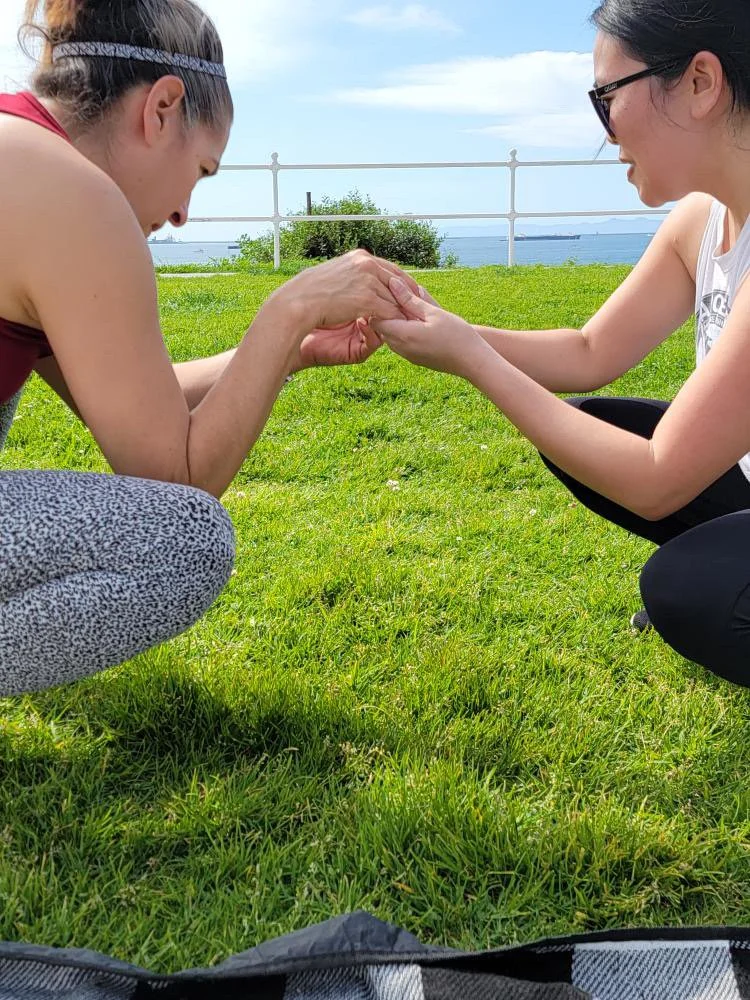
This is a structured, small-group program where movement, music, and mental wellness practice happen side by side. Every session runs about 90 minutes and is split equally between mental wellness work and Capoeira skill development. That means in the same session, you might explore an anxiety management technique and then work on foundational Capoeira movements like the ginga, or learn about the cultural history of the roda while also practicing breath awareness.
The group is led by Rena Trujillo, a certified Capoeira teacher and a Licensed Clinical Social Worker based in Long Beach. You're not just learning a movement practice, and you're not just in a support group. You're getting both, in one space, designed to work together.
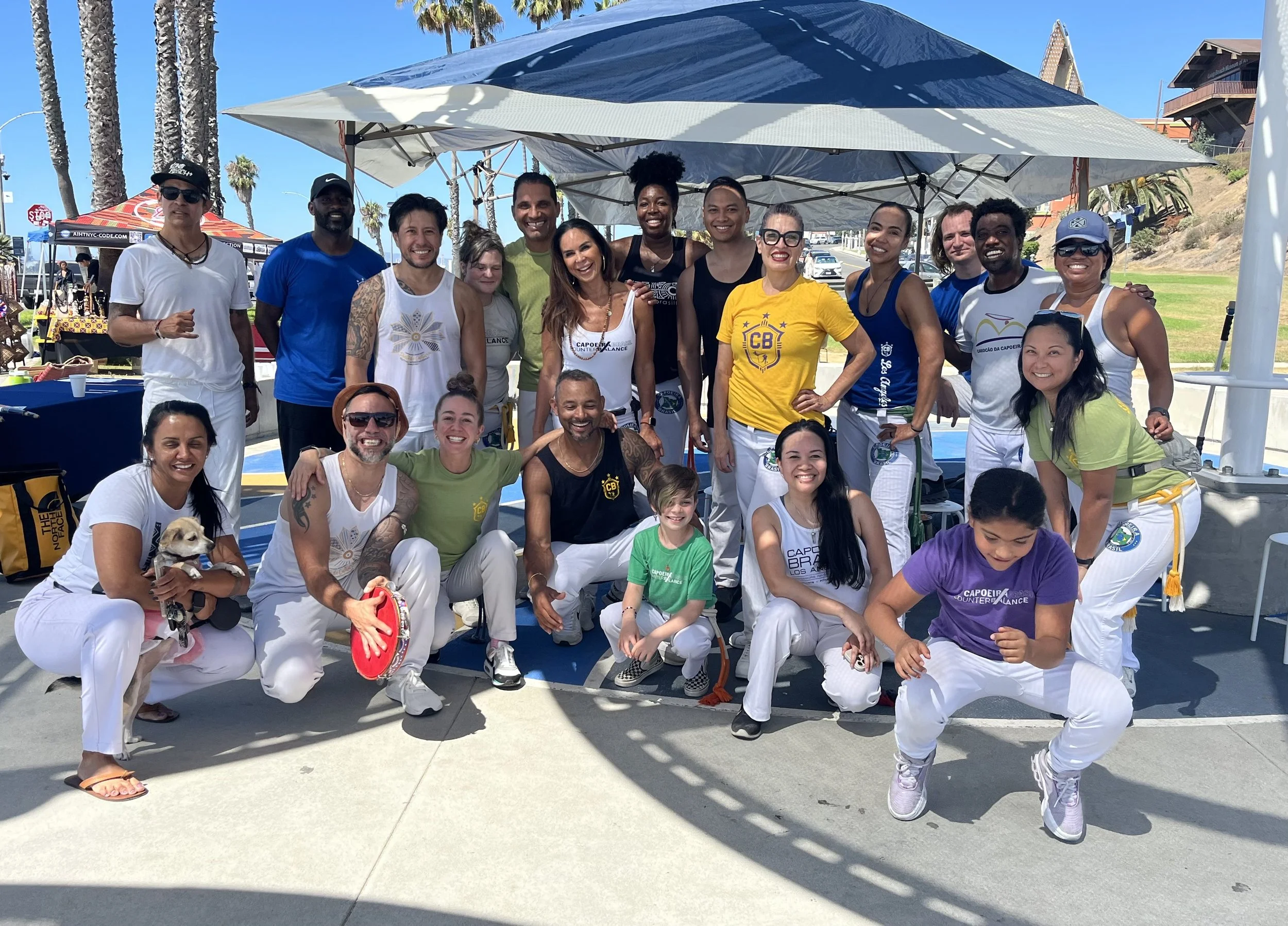
Groups are kept intentionally small, with a maximum of 8 participants per cohort. That size is deliberate. It's large enough to build a real community, small enough that you actually get to know the people around you.
Why Capoeira? And Why in a Therapeutic Group Setting?
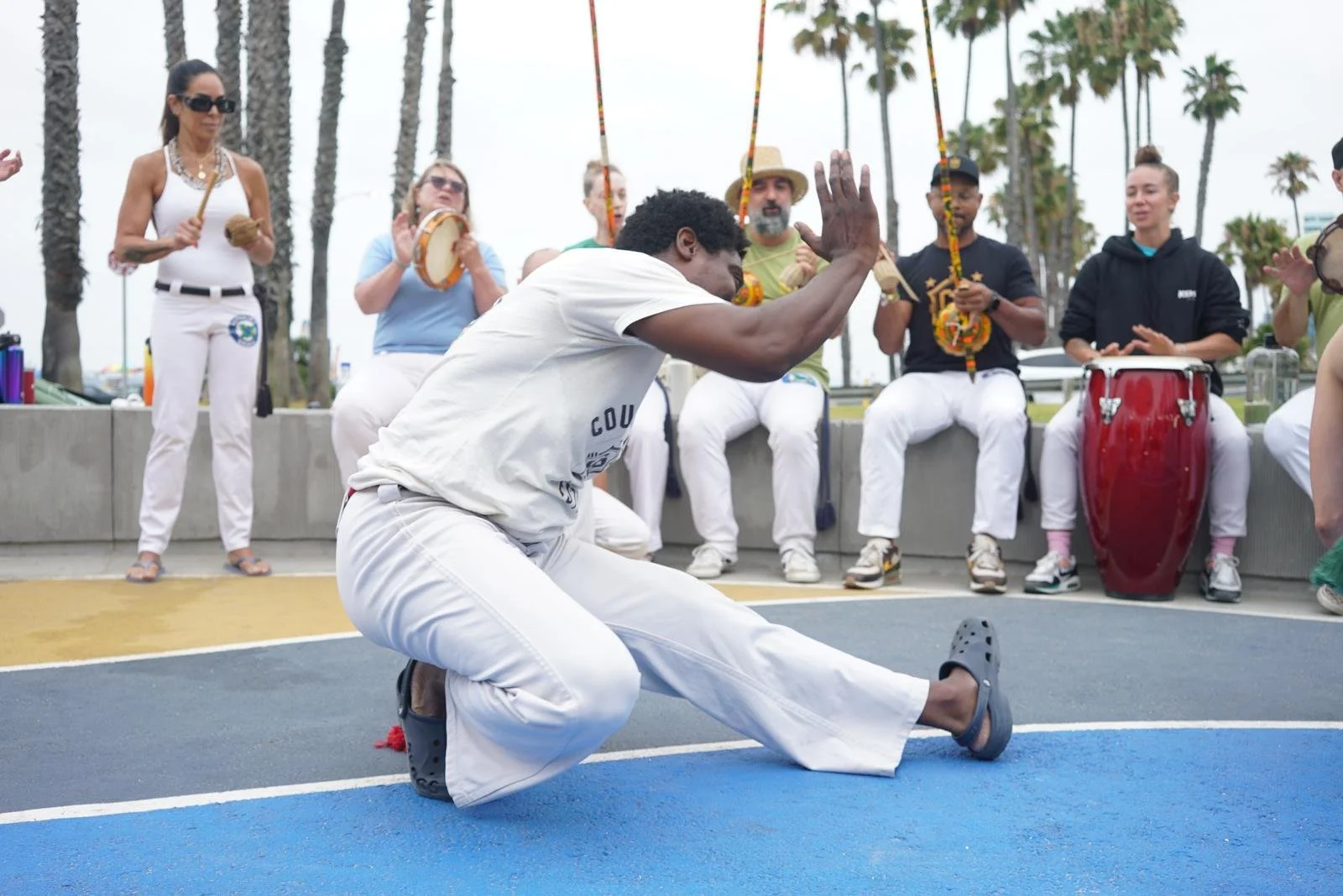
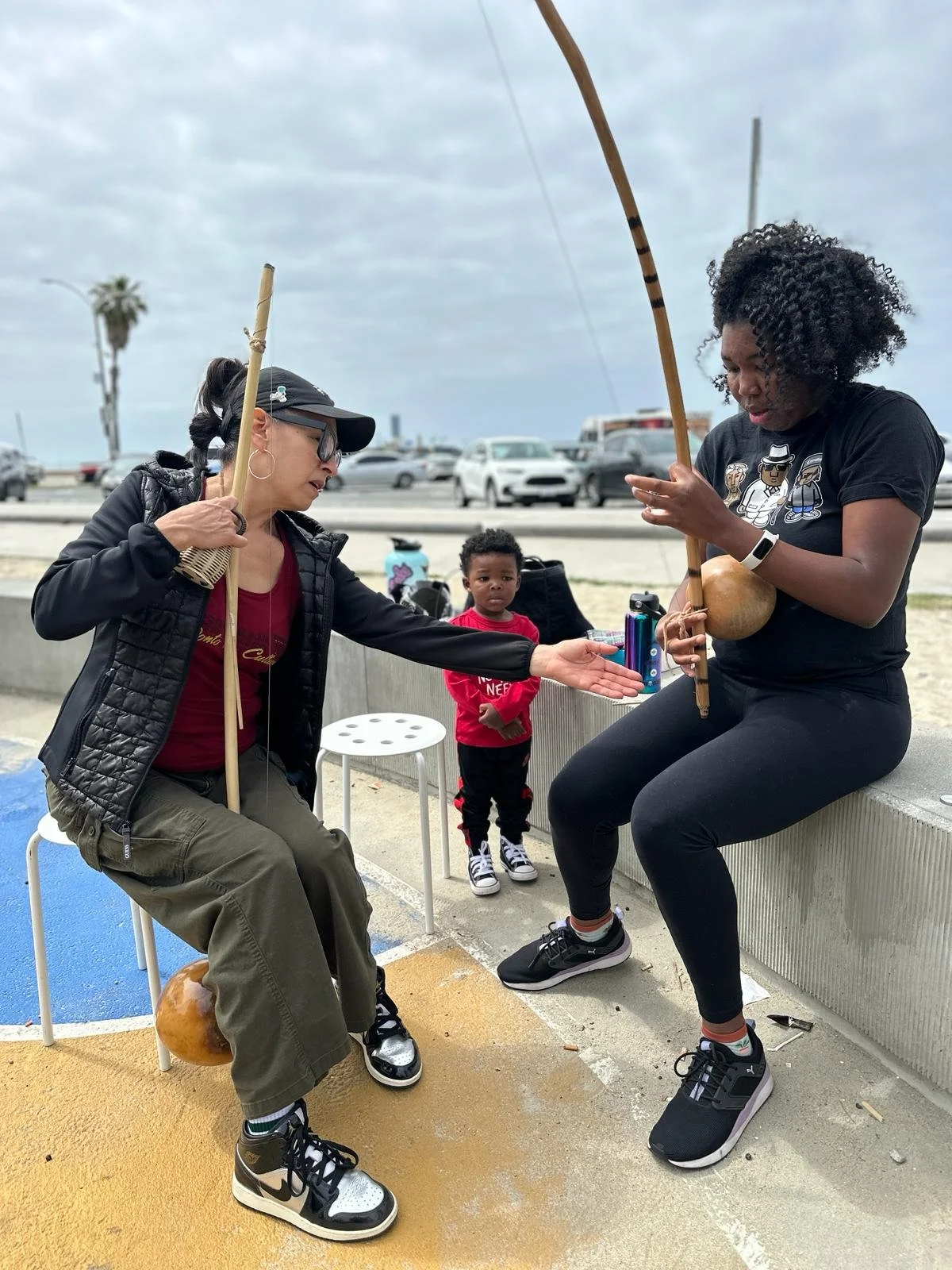
Capoeira is a lot of things at once. It's a martial art with deep roots in the resistance and creativity of enslaved Africans in Brazil. It's a dance. It's a game played between two people inside a circle called the roda, guided by live music and the rhythm of the berimbau. It asks you to be present. You can't overthink it. You can't be somewhere else mentally when you're in the flow of the jogo.
That's exactly why it works so well for anxiety and disconnection.
When you're anxious, your brain tends to pull you away from the present moment and into worry about what might happen or rumination about what already did. Capoeira pulls you back. The movement sequences, the call-and-response of the music, the cooperative partner work, all of it demands your attention right now. The nervous system gets engaged through the body, not just talked at through the mind.
At the same time, the therapeutic structure of the group gives you language for what you're experiencing. You'll learn practical tools for emotional regulation, cognitive reframing, and stress reduction. You'll have guided space to reflect, share, and process. The combination is what makes this work in a way that a typical fitness class or a typical therapy group can't fully replicate on its own.
What to Expect Over the Course of the Program
The program is structured as a cohort, meaning you move through it with the same group of people from start to finish. That continuity is part of what builds the trust and community that makes the therapeutic work possible.
The early months focus on establishing comfort and foundation. You'll learn the basic movements, get introduced to Capoeira's culture and music, and start working with mindfulness and psychoeducation around anxiety and loneliness. You don't need any prior experience. All bodies, all fitness levels, all backgrounds are welcome. There's no audition. There's no "too old" or "too out of shape" for this.
As the program progresses, the work gets deeper. You'll develop more complex movement sequences, explore social confidence and self-expression, and work through exercises designed to connect your emotional experience to your physical movement. By the final phase, participants come together in the roda with genuine skill and genuine connection, and typically have measurable progress in anxiety and depression symptoms assessed at the start and end of the program.
This isn't a drop-in class. It's a commitment to yourself, with a group of people making the same commitment alongside you.
Who This Group Is For
This group is a good fit if you're an adult who:
Struggles with anxiety, social anxiety, or chronic stress
Has been feeling disconnected, isolated, or like the community has been hard to find
Is curious about movement-based approaches to mental health
Wants something more active and engaging than traditional talk therapy
Is open to learning something new, even if Capoeira feels completely unfamiliar
You don't need to have any interest in martial arts or dance going in. Plenty of participants show up knowing nothing about Capoeira and leave with a genuine love for it. What you do need is some openness to the process.
Frequently Asked Questions About Capoeira
-
No experience is needed at all. The program is designed for complete beginners. You'll be guided through every movement from the very beginning, and the pace of the class reflects that. The focus is on progress, not performance.
-
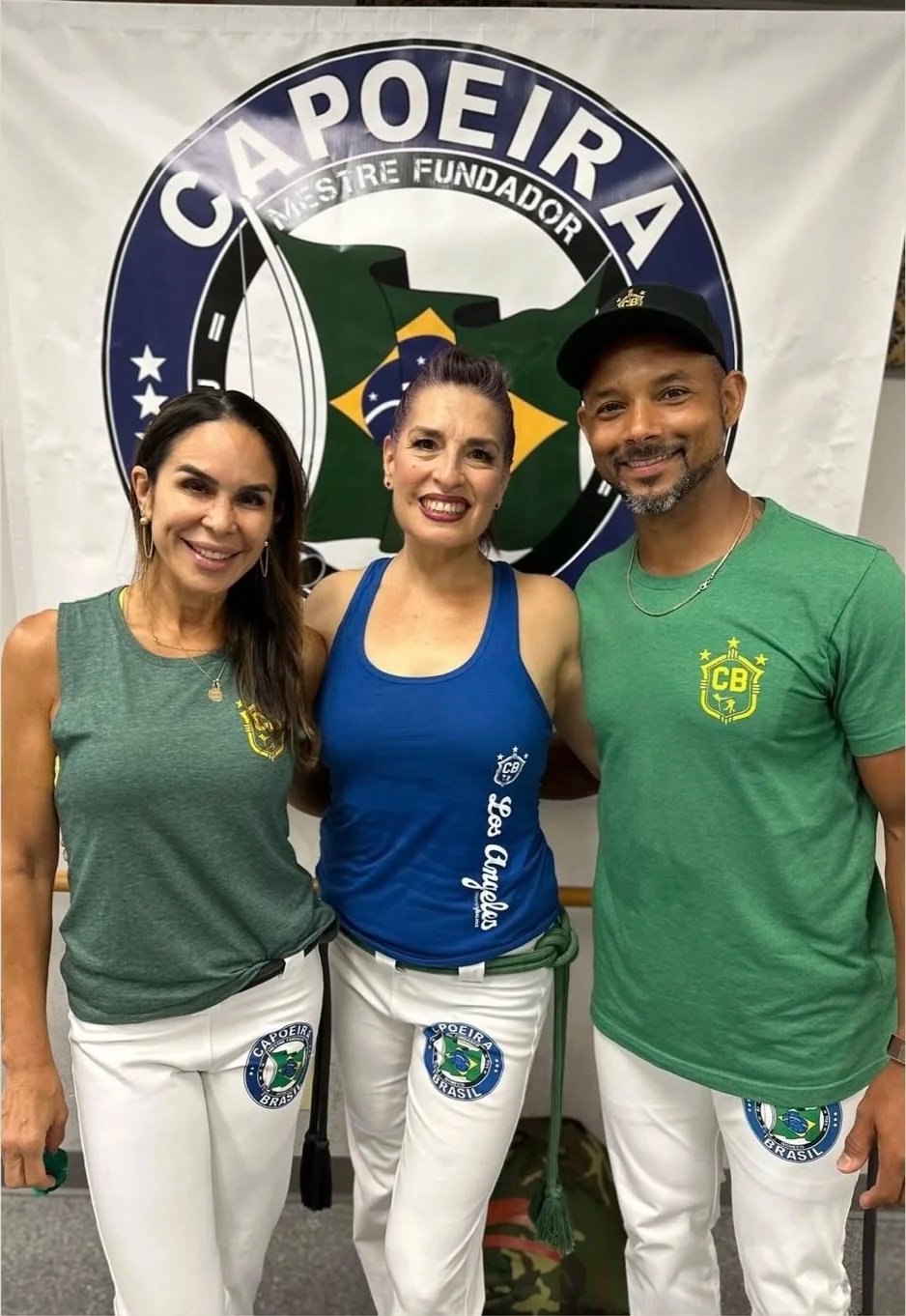
It's genuinely both, in a deliberate and integrated way. Each session includes therapeutic group work facilitated by Rena Trujillo, LCSW, and Capoeira instruction led by Rena Trujillo, who studied at Capoeira Brasil (the founding master is Mestre Boneco).
The mental wellness and movement components are designed to reinforce each other, not run parallel.
-
Sessions run approximately 90 minutes. A typical session might start with a group check-in and a brief psychoeducation piece on an anxiety-related topic, move into breathwork or a grounding exercise, and then transition into Capoeira movement practice. Sessions close with reflection and some connection to the music or cultural context of what was practiced.
-
Yes. This group can be a strong complement to individual therapy. It offers something different: community, embodied practice, and a structured peer experience. Many participants find that the movement-based work surfaces things they bring into their individual sessions in useful ways. If you're currently in therapy, it's always good to mention it to your therapist, but there's no conflict.
-
Cohorts are capped at 8 participants. That small size is intentional. It creates a safer, more connected experience and gives each person real space within the group.
-
The program is specifically designed to address symptoms of anxiety, loneliness, depression, and social disconnection. At the start and end of the program, participants complete the GAD-7 anxiety assessment and the PHQ-9 depression assessment so you can see measurable progress in how you're feeling.
Ready to Find Your Rhythm?
This program is currently building its first cohort here in Long Beach. Spots are limited, and we want the right people in the room.
The best next step is to join the interest list below. You'll be the first to know when enrollment opens, get details on scheduling and next steps, and have the chance to connect with Rena directly if you have questions before committing.
This is a small, intentional group. Once the cohort fills, that's it for this round.
Or reach out directly:
Rena Trujillo, LCSW